Aloe Chenensis


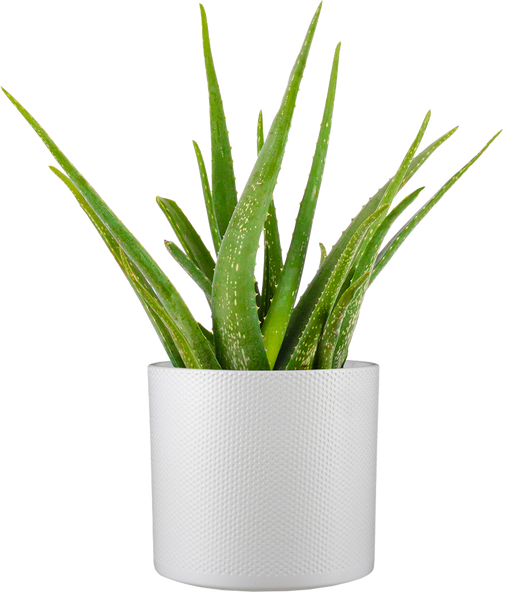
Widely grown across warm, arid regions, Aloe vera var. chinensis (often referred to simply as Aloe chinensis) is a beloved, compact succulent prized for its distinct ornamental charm. Unlike the larger, blue-grey true Aloe barbadensis, this variety forms tight, prolific clusters of narrow, pale green leaves heavily marbled with vivid white spots that endure well into maturity. Evolutionarily equipped with water-storing gel interiors and soft marginal teeth, it excels in bright, well-drained environments where its spreading growth habit produces numerous offsets, creating dense, sculptural desert rosettes over time.

  • Toxic to pets and children
  • Repot once every 2 years
  • Fertilize once a month
  • Very little water
  • Bright, direct light

About Aloe Chinensis

Origin

Hails from warm, arid regions and long cultivated across East Asia! Adapted to harsh, sun-drenched environments, this compact variety naturally stores moisture in its fleshy, white-spotted leaves to power through dry spells.

Air Purifying

Absolutely! It’s a hardworking green amigo that helps filter common household VOCs like benzene and formaldehyde from your air, plus it releases oxygen at night for cozy bedroom vibes.

Toxicity

Keep curious paws away! While the inner leaf contains soothing mucilage, the outer leaf skin contains aloin, which causes stomach upset, vomiting, and diarrhea in cats, dogs, and humans if ingested.

Caring for Aloe Chinensis

Watering

Water deeply only when the soil has completely dried out 100%! It loves a thorough soak followed by a long dry period—never let it sit in standing water or soggy soil, which leads to mushy leaves and corm rot.

Light and Placement

Bright, direct morning sun to bright indirect light is its absolute happy zone! Set it near a sun-drenched south- or west-facing window. If it doesn't get enough light, its leaves will stretch long, lose their tight rosette, and fade in color.

Nutrition

Give it a light snack just once or twice during the spring and summer using a balanced succulent fertilizer diluted to half-strength. Skip the food entirely during fall and winter when growth slows.

Repotting

Level up its home every 2–3 years in spring when its dense cluster of offsets fills the pot! Choose a heavy terra cotta pot with drainage holes and use a gritty, fast-draining cactus and succulent soil mix.

Pruning and Flowering

Snip off old, outer yellow or brown leaves right at the stem base using clean, sharp shears, or gently separate crowded offsets. Indoor blooms are rare, but tall spikes of yellow-orange flowers can pop up on happy, mature plants in full sun!

Aloe Chinensis SOS

Illness

Watch out for root rot from overwatering, which turns leaves soft, pale, and translucent! Keep an eye out for sneaky pests like scale or mealybugs hiding near the leaf bases, and make sure soil drains super fast.

Now sit back and relax, our App will take care of the rest.

Hassle-free plant care with the Plantsome App!

Get the app