Epipremnum | Pothos

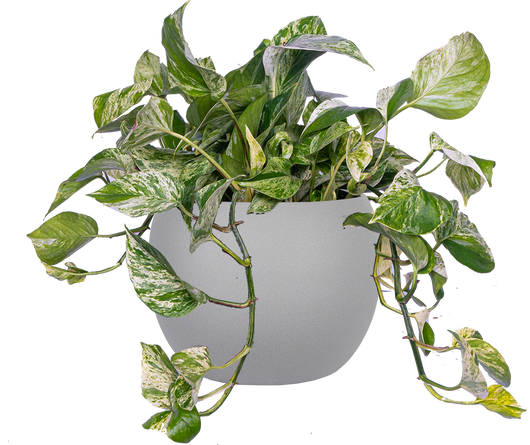
Meet the easiest-going vine in the plant world, the pothos! Epipremnum are tropical climbers from Southeast Asia and the Pacific islands, loved for their heart-shaped leaves, speedy growth and the way they trail from a shelf or climb up a moss pole. There are lots of types to collect, like golden pothos, Marble Queen, Manjula, Snow Queen and Neon (all Epipremnum aureum), plus the silvery-blue Cebu Blue and Baltic Blue (Epipremnum pinnatum). They forgive a missed watering and adapt to most rooms, which makes them the perfect first plant.

Browse our pothos collection, or get specific with our Golden Pothos and Satin Pothos care guides.

  • Toxic to pets and children
  • Repot once every 2 years
  • Fertilize once a month
  • Bright, indirect light
  • Average water

About Pothos

Origin

Golden pothos (Epipremnum aureum) is native to the island of Mo'orea in French Polynesia, while Epipremnum pinnatum grows wild from Southeast Asia to northern Australia and the western Pacific. Its nickname, devil's ivy, comes from how hard it is to kill and how it stays green even in dim spots. Satin pothos and the nearly black pothos are close cousins rather than true pothos: they belong to Scindapsus, a different genus in the same arum family, with thicker, velvety leaves.

Air Purifying

Golden pothos was one of the plants tested in NASA's 1989 Clean Air Study, where it helped remove benzene and formaldehyde from sealed test chambers. A real home is much bigger and draftier than a lab chamber, so enjoy cleaner air as a bonus, not a replacement for opening a window. Having a few trailing amigos around the house never hurts, though!

Toxicity

Toxic to cats and dogs, according to the ASPCA, and the same goes for satin pothos. The leaves and stems contain insoluble calcium oxalate crystals, which cause mouth irritation, drooling, vomiting and difficulty swallowing if chewed. Let these amigos trail from a high shelf or hanging basket, well out of reach of pets and kids.

Caring for Pothos

Watering

Water when the top 50% of the soil has dried out, and less often in fall and winter. Droopy leaves are your pothos asking for a drink, and they usually perk back up within hours. Satin pothos likes to dry out a little more (50–75%) and curls its leaves inward when thirsty. Whichever you have, never let the pot sit in a saucer of water.

Light and Placement

Pothos grow best in medium to bright, indirect light, which keeps variegated types like Marble Queen, Manjula and Snow Queen bright and splashy. They tolerate lower light too, but expect slower growth, smaller leaves and less variegation. Keep them out of strong direct afternoon sun, which scorches the leaves.

Nutrition

Feed once a month in spring and summer with a balanced liquid houseplant fertilizer diluted to half-strength. Skip the snacks in fall and winter, when growth slows down. If your pothos lives in a lower-light spot, feeding every other month is plenty.

Repotting

Repot every 1–2 years in spring, when roots circle the pot or poke out of the drainage holes. Pick a pot 1–2 inches larger with drainage holes and a light, airy potting mix (a handful of perlite or orchid bark helps). These amigos don't mind being a little snug, so there's no rush.

Pruning and Flowering

Prune anytime to control length or get a bushier plant: snip a vine just above a leaf node and new growth will branch from there. Every cutting with a node can be rooted in water, then tucked back into the pot to fill out the top. Flowering indoors is practically unheard of; researchers report that golden pothos hasn't been seen flowering on its own since 1964!

Pothos SOS

Illness

Overwatering is the most common problem: yellow leaves, dark spots or mushy stems usually mean root rot, so let the soil dry out more between drinks. Brown, crispy edges point to underwatering or very dry air, and long bare vines with small leaves mean it wants more light. Watch for mealybugs, spider mites, scale and thrips on the leaf undersides, and wipe them away with insecticidal soap.

Now sit back and relax, our App will take care of the rest.

Hassle-free plant care with the Plantsome App!

Get the app