Hibiscus Rosa-sinensis


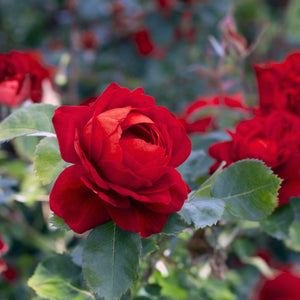
Spectacular, exotic, and dripping with island elegance! Hibiscus rosa-sinensis, widely cherished as the Tropical Hibiscus, commands attention with oversized, satiny trumpet-shaped blooms up to six inches across, centered by a dramatically long staminal column. Spanning a breathtaking palette of fiery reds, warm oranges, sunny yellows, and blushing pinks against glossy, dark-green toothed foliage, this showstopping evergreen shrub infuses sunny patios, bright sunrooms, and indoor windowsills with continuous resort-worthy floral luxury.

  • Safe for pets and children
  • Repot once a year
  • Fertilize once a month
  • Average water
  • Bright, direct light

About Hibiscus Rosa-sinensis

Origin

Native to tropical and subtropical regions of East Asia, widely cultivated and naturalized throughout tropical regions globally.

Air Purifying

Moderate! Absorbs indoor carbon dioxide and aids in filtering common ambient air pollutants while increasing room humidity through transpiration.

Toxicity

Non-toxic to cats, dogs, and humans! Pet-safe and non-toxic, though eating large quantities of leaves or flowers may cause mild, temporary tummy upset in pets.

Caring for Hibiscus Rosa-sinensis

Watering

Thirsty plant! Keep soil consistently moist but not waterlogged during active growth and blooming. Water thoroughly when the top 20% of soil feels dry, and reduce watering frequency slightly in winter.

Light and Placement

Very high light requirement! Thrives in direct sun to very bright, indirect light for at least 6 hours daily. Direct morning or afternoon sun is crucial for continuous, vibrant flower production.

Nutrition

Heavy feeder! Apply a high-potassium, low-phosphorus fertilizer every 2 weeks during spring and summer active flowering. Avoid high-nitrogen blends that encourage foliage over blooms.

Repotting

Repot every 1–2 years in early spring using a rich, well-draining potting mix enhanced with peat moss and perlite or coarse sand for good drainage.

Pruning and Flowering

Prune back hard in early spring to shape the bush and stimulate new growth (blooms appear on new wood). Produces large, dramatic, short-lived trumpet flowers in shades of red, pink, orange, yellow, and white.

Hibiscus Rosa-sinensis SOS

Illness

Sudden bud drop or leaf yellowing is typically caused by inconsistent watering, extreme cold drafts, or rapid light shifts. Highly susceptible to aphids, spider mites, mealybugs, and whiteflies indoors.

Now sit back and relax, our App will take care of the rest.

Hassle-free plant care with the Plantsome App!

Get the app