Hydrangea Macrophylla


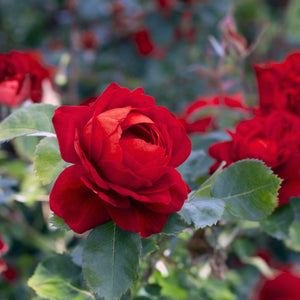
Lush, nostalgic, and famously chameleon-like! Hydrangea macrophylla, known everywhere as the Bigleaf or French Hydrangea, is renowned for its enormous, cloud-like mophead and lacecap flower clusters that shift dramatically between sky blue, lavender, and rosy pink based on soil acidity and aluminum availability. Framed by large, serrated, deep-emerald leaves, this classic seaside shrub makes an opulent indoor gift plant and container centerpiece that brings abundant, old-world cottage romance to bright windowsills, sunrooms, and sheltered verandas.

  • Toxic to pets and children
  • Repot once a year
  • Fertilize once a month
  • Requires frequent watering
  • Bright, indirect light

About Hydrangea Macrophylla

Origin

Native to the coastal regions and forested hillsides of Japan.

Air Purifying

Moderate! Transpires moisture into indoor air and absorbs ambient carbon dioxide during daytime photosynthesis.

Toxicity

Toxic to cats, dogs, and humans if ingested (contains cyanogenic glycosides like hydrangin, causing nausea, vomiting, lethargy, and diarrhea). Keep out of reach of pets.

Caring for Hydrangea Macrophylla

Watering

High water demand! Keep soil consistently moist but not waterlogged; flags quickly when dry. Water thoroughly whenever the top 20% of soil feels dry, and reduce frequency slightly during winter dormancy.

Light and Placement

Prefers bright, indirect light or gentle morning sunlight indoors. Avoid harsh direct afternoon sun, which wilts flowers and scorches foliage.

Nutrition

Feed every 2 weeks during active spring and summer growth with a balanced flower fertilizer. Note: Soil pH influences bloom color on cultivars (acidic soil yields blue flowers; alkaline yields pink).

Repotting

Repot every 1–2 years in spring using a rich, moisture-retentive yet well-draining peat/coir-based potting mix blended with perlite.

Pruning and Flowering

Prune immediately after summer flowering ends, as blooms set on old wood for the following season. Produces large mophead or lacecap flower clusters in shades of blue, pink, purple, or white.

Hydrangea Macrophylla SOS

Illness

Highly susceptible to powdery mildew and leaf spot in stagnant or high-humidity air. Root rot occurs in waterlogged soil; spider mites and aphids may appear indoors.

Now sit back and relax, our App will take care of the rest.

Hassle-free plant care with the Plantsome App!

Get the app