Lilium Longiflorum


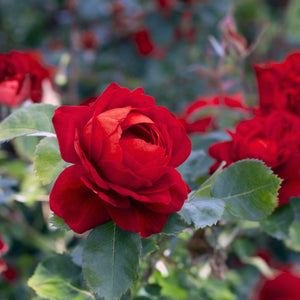
Majestic, pristine, and heralding the promise of spring! Lilium longiflorum, celebrated worldwide as the Easter Lily, captivates with large, outward-facing trumpet flowers of pure snowy white that emanate a rich, sweet perfume. Emerging proudly on tall, upright stems lined with glossy, lance-shaped emerald foliage, this Ryukyu Islands native is an iconic seasonal indoor centerpiece that fills homes with regal purity and timeless springtime grace.

  • Toxic to pets and children
  • Repot once a year
  • Fertilize once a month
  • Average water
  • Bright, indirect light

About Lilium Longiflorum

Origin

Native to the Ryukyu Islands of southern Japan, growing naturally in coastal, temperate island environments.

Air Purifying

Moderate! Transpires moisture into indoor air and helps absorb ambient carbon dioxide during active growth.

Toxicity

DEADLY TO CATS! Extremely toxic to felines—ingestion of any part (leaves, petals, stems, or pollen, or even drinking water from the vase) causes acute renal failure and can be fatal. Mildly toxic to dogs and humans (gastrointestinal upset).

Caring for Lilium Longiflorum

Watering

Keep soil evenly moist during active growth and flowering, but never soggy. Water thoroughly when the top 20% of soil feels dry, and reduce watering after blooms fade as foliage turns yellow.

Light and Placement

Thrives in bright, indirect light. Protect from harsh, scorching afternoon sunlight while blooming to extend flower life.

Nutrition

Apply a balanced liquid houseplant fertilizer diluted to half-strength every 2 weeks while active growth and flower buds develop. Discontinue feeding after flowers fade.

Repotting

Plant bulbs in autumn or spring in a deep, rich, well-draining potting mix blended with perlite or coarse sand to ensure good drainage around the bulb base.

Pruning and Flowering

Deadhead individual blooms as they fade. Allow foliage to yellow and die back naturally after flowering so the bulb can store energy for the next cycle. Produces large, fragrant, trumpet-shaped white flowers.

Lilium Longiflorum SOS

Illness

Bulb and root rot occur rapidly in waterlogged soil. Watch for aphids, spider mites, and grey mold (Botrytis) in poorly ventilated, high-humidity environments.

Now sit back and relax, our App will take care of the rest.

Hassle-free plant care with the Plantsome App!

Get the app