Sansevieria | Snake Plant

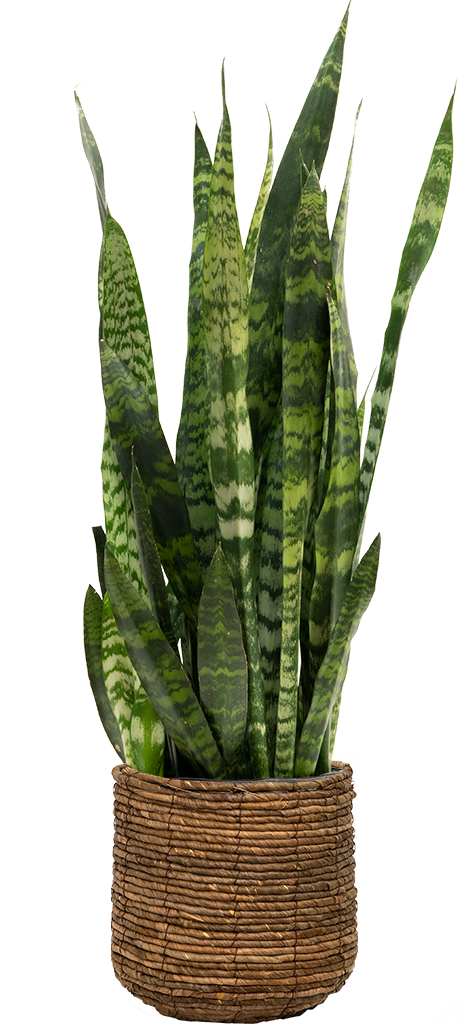
Meet the Snake Plant! Sansevierias come from the dry, rocky parts of Africa and grow stiff, upright, sword-shaped leaves that look sharp in any room. There are dozens of types, from the classic yellow-edged 'Laurentii' and silvery 'Moonshine' to the compact Bird's Nest (Hahnii) and the paddle-leaved Whale Fin (masoniana), and they come in everything from tabletop sizes to large floor plants. People love them because they're nearly impossible to kill, as long as you go easy on the watering can.

Browse our snake plant collection, or read our Sansevieria Laurentii guide.

  • Toxic to pets and children
  • Repot once every 3 years
  • No fertilizing necessary
  • Bright, indirect light
  • Very little water

About Sansevieria

Origin

Snake plants grow wild across tropical and southern Africa, Madagascar and southern Asia; the classic Sansevieria trifasciata comes from West Africa, from Nigeria to the Congo. In 2017 botanists moved the whole group into the genus Dracaena, so its official name is now Dracaena trifasciata, even though most shops (us included) still say Sansevieria. Its tough leaf fibers were once used for rope and bowstrings, which explains the old nickname 'bowstring hemp'.

Air Purifying

Sansevieria 'Laurentii' was one of the plants in NASA's 1989 clean air study, where it removed some benzene, formaldehyde and trichloroethylene in sealed test chambers. In a real home, a few plants make only a small difference, so think of it as a bonus. Fun fact: like many succulents, it opens its pores to take in carbon dioxide at night, which is why it's a favorite bedroom amigo.

Toxicity

The ASPCA lists the snake plant as toxic to cats and dogs. The leaves contain saponins, which can cause nausea, vomiting and diarrhea if chewed. It's rarely serious, but keep your snake plant out of reach of curious pets and kids, and call your vet if a lot gets eaten.

Caring for Sansevieria

Watering

Water only when the soil has dried out completely, all the way to the bottom of the pot; a wooden skewer is an easy way to check. In spring and summer that usually means every 2–3 weeks; in fall and winter, once a month or even less. Too much water is the number one way to lose this amigo, so when in doubt, wait another week!

Light and Placement

Snake plants grow fastest and keep the brightest colors in bright, indirect light, and they can even handle a little direct sun. They're famous for coping with lower-light corners too, they'll just grow slower there and need even less water. Keep them above 10°C (50°F) and away from cold winter windows.

Nutrition

No feeding needed, honestly! If you want a bit more growth, give a balanced fertilizer at quarter- to half-strength once or twice in spring and summer. Skip the snacks completely in fall and winter.

Repotting

These amigos like a snug pot and only need repotting every 3–4 years, or when the roots start to bulge or crack the pot. Repot in spring into a pot 1–2 inches larger with a fast-draining cactus or succulent mix. A heavy pot (terracotta or ceramic) keeps tall, large snake plants from tipping over.

Pruning and Flowering

No regular pruning needed: just cut damaged or yellowing leaves off at the soil line with a clean knife. Happy plants in bright light sometimes send up a spike of sweet-smelling, creamy flowers, usually in spring or summer. Enjoy it, then cut the stalk once it fades; the rosette that flowered stops making new leaves, but the plant keeps growing from new pups.

Sansevieria SOS

Illness

Mushy, yellow or collapsing leaves and a bad smell at the base mean root rot from overwatering: unpot, cut away soft roots and repot in dry cactus mix. Wrinkled or curling leaves usually mean the plant is thirsty. Pests are rare, but check for mealybugs and spider mites at the base of the leaves and wipe them off with insecticidal soap.

Now sit back and relax, our App will take care of the rest.

Hassle-free plant care with the Plantsome App!

Get the app