Tradescantia

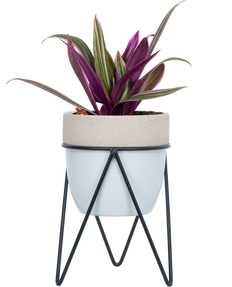
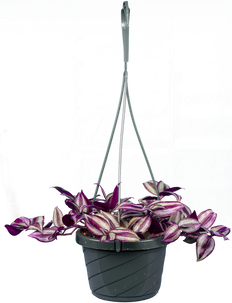
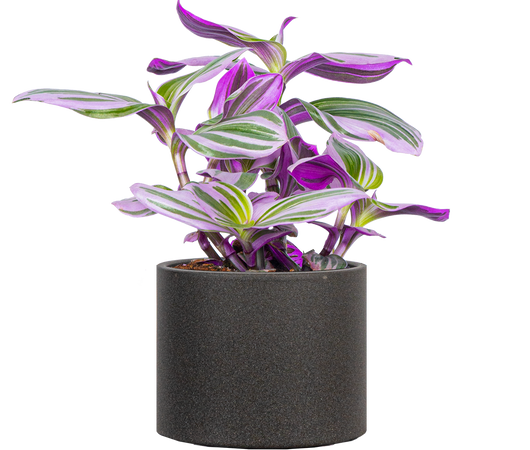
Meet the colorful, fast-growing Tradescantia! Native to the Americas, these trailing amigos are often called inch plants or spiderworts, and they come in striped, pink, purple and silvery leaves. Popular types include candy-pink Nanouk and Pink Panther, silver-striped Zebrina, deep-purple purple heart (Tradescantia pallida) and the upright Moses-in-the-cradle (Tradescantia spathacea). They grow quickly, root from cuttings in no time and fill a hanging basket with color.

Browse our Tradescantia collection, or check out our care guides for Tradescantia Nanouk and Purple Heart.

  • Toxic to pets and children
  • Repot once a year
  • Fertilize once a month
  • Bright, indirect light
  • Average water

About Tradescantia

Origin

Tradescantias grow wild throughout the Americas, from southern Canada all the way to Argentina, with most houseplant types coming from Mexico, Central and South America. Some wild spiderworts even grow on the Canadian prairies! The genus is named after John Tradescant, a 17th-century English gardener and plant collector. Trailing types are also known as inch plant or wandering dude.

Air Purifying

Tradescantias weren't part of NASA's well-known Clean Air Study, but in a 2009 University of Georgia lab study, purple heart (Tradescantia pallida) was among the top performers at removing common indoor chemicals in sealed test chambers. A real room is a lot bigger than a test chamber, so treat cleaner air as a small bonus. The real reason to grow these amigos is the color!

Toxicity

Listed as toxic to cats, dogs and horses by the ASPCA (under inch plant, Tradescantia fluminensis), mainly because the sap can cause skin irritation (dermatitis). Chewing the leaves may also cause a mildly upset stomach. Keep hanging baskets out of reach of curious pets, and wear gloves when pruning if your skin is sensitive.

Caring for Tradescantia

Watering

Water when the top 50% of the soil has dried out, aiming for soil that's lightly moist but never soggy. Water at the base rather than over the leaves, since water sitting in the crown or on fuzzy leaves can cause rot and brown spots. Thicker-leaved types like purple heart and white velvet (Tradescantia sillamontana) handle drought better, so let them dry out a little more.

Light and Placement

Bright, indirect light is the secret to those vivid pinks, purples and stripes, and a bit of gentle morning sun is welcome. In low light, the colors fade and stems stretch out long and sparse. Keep them out of hot afternoon sun, which can scorch the leaves.

Nutrition

Feed once a month in spring and summer with a balanced liquid houseplant fertilizer diluted to half-strength. Skip the snacks in fall and winter. Go easy, as too much fertilizer can make variegated types lose their colorful stripes.

Repotting

These speedy growers fill their pots fast, so repot every year or so in spring into a pot 1–2 inches larger with drainage holes. Use a light, free-draining mix, like regular potting soil with extra perlite. The stems are brittle, so handle gently; any pieces that snap off can simply be rooted as new amigos.

Pruning and Flowering

Pinch or snip stem tips regularly to keep your plant bushy, since older stems tend to get long and bare at the base. Cuttings of 3–4 inches root in water or moist soil in about 1–2 weeks, so tuck them back into the pot to fill it out. Small three-petaled flowers in white, pink or purple pop up in spring and summer; each one only lasts about a day, but new ones keep coming.

Tradescantia SOS

Illness

Mushy stems and yellow leaves usually mean overwatering and root rot, so check that the pot drains well. Crispy brown leaves point to dry soil or dry air, and long, faded stems mean the plant needs more light. Watch for spider mites in dry winter air, plus aphids and fungus gnats, and snip off any all-green stems so they don't take over the colorful growth.

Now sit back and relax, our App will take care of the rest.

Hassle-free plant care with the Plantsome App!

Get the app